Picking the right flame retardant yarn can be a bit tricky, no doubt. There are so many factors to keep in mind, and honestly, figuring out what you really need is pretty important. These flame-resistant Fabrics are super key when it comes to safety and performance. Think industries like construction or firefighting—they really depend on these materials to keep people safe.
If you're after something tough and reliable, Inherent Flame Retardant Meta Aramid Yarn is a solid choice. It’s known for being durable and offering great protection against flames and high heat. On the other hand, Fire Retardant Ring Spun Aramid Yarn is pretty versatile and flexible, making it useful for a bunch of different applications—whether it's protective gear or upholstery.
But here’s the thing—not all yarns are created equal. You’ve gotta look at quality, whether they meet safety standards, and of course, what they cost. Thinking about where and how you’re going to use the yarn can really help you make a smarter choice. Sometimes, the most expensive option isn’t necessarily the best one. And let’s be honest, jumping into the technical stuff can be confusing—so don’t hesitate to ask for help if you’re unsure. It’s better to be safe than sorry, especially when it comes to safety gear.
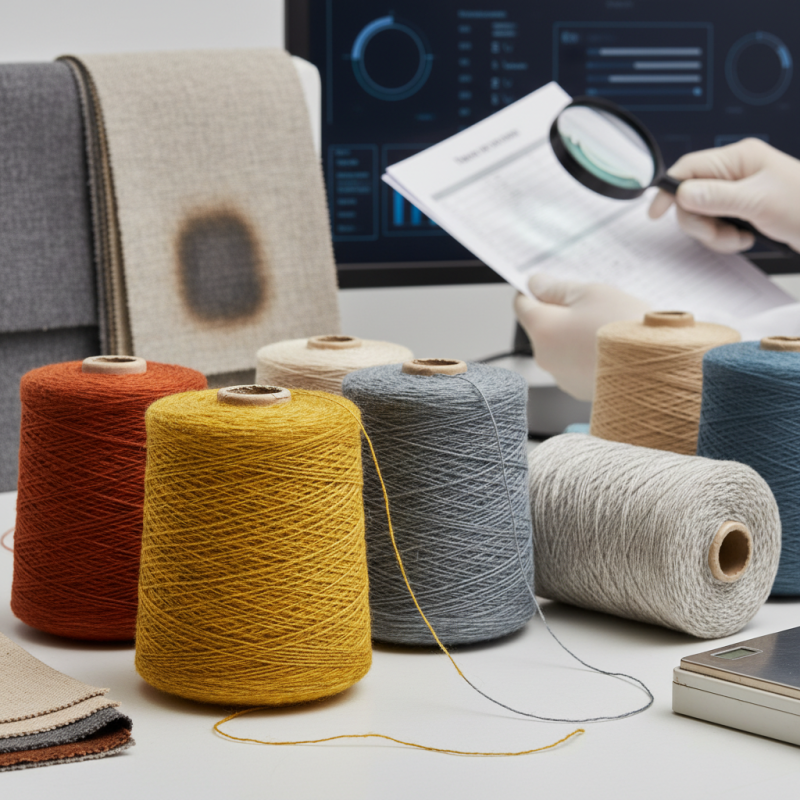
Flame retardant yarn is a specialized textile that significantly reduces the risk of fire hazards. This type of yarn is treated with chemicals that delay ignition and prevent the spread of flames. According to industry reports, the global flame retardant textile market is projected to reach $6.33 billion by 2027, driven by increasing safety regulations across various sectors, including construction and automotive.
The importance of flame retardant yarn cannot be overstated. These materials are essential in environments where fire risks are high, such as factories and oil refineries. For instance, Fire Retardant Meta Aramid 40/3 Sewing Thread Yarn for Flame Retardant Fabric has gained attention for its exceptional thermal stability and resistance to chemical degradation. Such enhancements in yarn properties ensure that safety gear and uniforms meet stringent safety standards.
Despite advancements, some challenges remain. The effectiveness of flame retardant treatments can vary based on factors like fabric composition and environmental conditions. Moreover, there is a growing need for sustainable alternatives in flame retardant solutions. Ongoing research aims to balance safety, durability, and environmental impact, highlighting the importance of ongoing innovation in this critical field.
When selecting a flame retardant yarn, it's essential to understand the types available in the market. Various materials fall under this category, each offering unique properties. Some commonly used fibers include aramid, modacrylic, and treated cotton. Aramid fibers are known for exceptional heat resistance. They are frequently used in protective clothing for firefighters and industrial workers.
Modacrylic fibers provide good flame resistance while maintaining comfort. These yarns are often blended with natural fibers to enhance softness and usability. Treated cotton is another option. It combines the feel of traditional fabrics with added fire safety. However, its effectiveness may reduce with washing, requiring careful consideration of maintenance.
Choosing the right yarn may involve trade-offs. For instance, aramid yarns offer durability but can be heavier. Modacrylics are lighter but may lack the same heat resistance. Evaluating the specific application is crucial. Reflect on the environmental conditions and required safety standards. It’s important to consider both safety and comfort in your decision. The right balance can lead to more effective protective gear.
When selecting flame retardant yarn, several key properties should be considered. Flame resistance performance is paramount. The yarn should meet specific standards such as the NFPA 701, which defines the minimum flammability standards for fabrics. A study by the Textile Research Journal indicates that yarn with a higher tensile strength tends to perform better under fire exposure.
In addition to flame resistance, durability is essential. The ability of yarn to withstand wear and tear while maintaining its fire-retardant properties is crucial for long-term use. For instance, some studies highlight that yarns treated with specific chemicals retain their performance even after multiple washes. Water repellency is another noteworthy factor; it can enhance the fire resistance of the yarn in certain applications.
The comfort of the fabric should not be overlooked. Selecting yarn that balances safety and comfort can be challenging but necessary. Synthetic fibers can often provide better flame resistance but may sacrifice breathability. Industry data suggests that combining different materials could lead to better outcomes. Ultimately, achieving the right balance among these properties requires careful consideration of the intended use of the yarn. Decisions should be made based on comprehensive testing and data-backed analysis.
| Property | Description | Importance |
|---|---|---|
| Ignition Resistance | Ability to withstand ignition from heat sources | High |
| Thermal Stability | Resistance to degradation at high temperatures | Medium |
| Chemical Resistance | Resistance to various chemicals and solvents | High |
| Flexibility | Ability to bend and stretch without breaking | Medium |
| Weight | Density and heaviness of the yarn material | Medium |
| Cost | Price per yard/meters of the yarn | High |
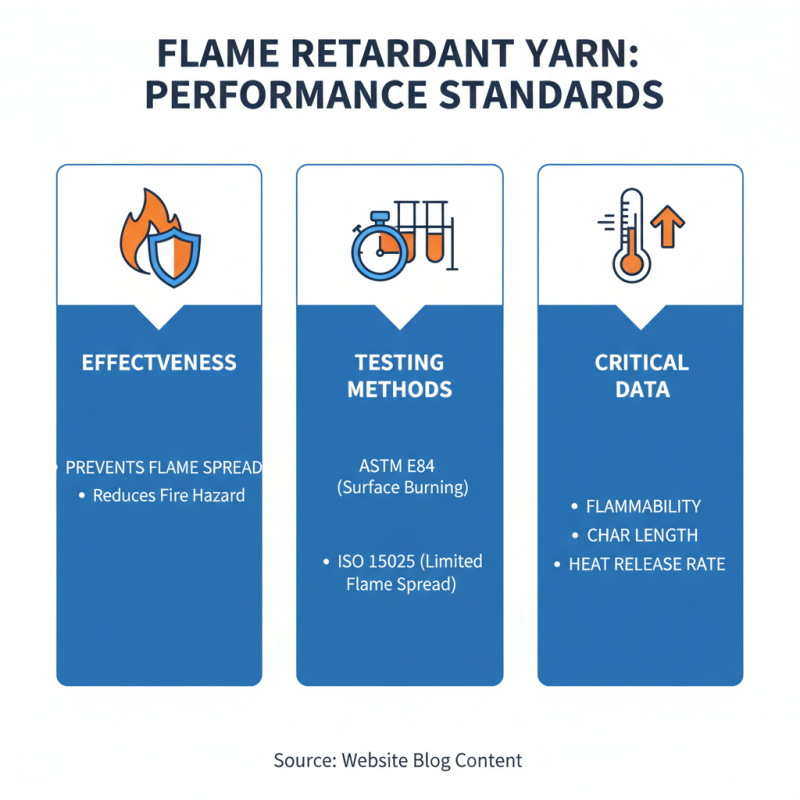
When selecting a flame retardant yarn, it is essential to understand the performance standards involved. These standards determine the yarn's effectiveness in preventing flames from spreading. Testing methods such as ASTM E84 or ISO 15025 reveal critical data. These tests assess the yarn's flammability, char length, and heat release rates.
Different applications require different levels of flame resistance. For example, industrial settings may need yarns that surpass basic standards. Conversely, softer fabrics for home use might not require the same rigorous specifications. Balancing performance with comfort is crucial. It’s important to evaluate how these yarns feel against the skin, as some treatments may affect breathability or softness.
Often, buyers focus heavily on specifications, missing the bigger picture. It’s wise to consider the context of use. What works well in one environment may fail in another. Engaging with experts can provide clarity. They bring experience that can help navigate complex choices. Always question whether the chosen material truly meets your specific needs.
When selecting flame retardant yarn, cost is a significant factor. Several elements influence pricing. The type of fiber plays a crucial role. Meta aramid fibers, for example, are well-regarded for their strength and heat resistance. This quality typically raises the yarn's cost but enhances safety and durability. High strength options, like Meta Aramid High Strength Flame Retardant Fire Retardant Fabric Aramid Fireproof Yarn Meta/PARA Aramid Sewing Thread 1313 / 1414, provide excellent protection in hazardous environments.
Manufacturing processes also impact costs. Advanced techniques increase the value of the yarn, but they require a substantial investment. Emerging technologies can enhance flame resistance without compromising flexibility. Yet, this innovation often comes at a premium. Choosing lower-cost yarn may lead to reduced fire safety, a risk that shouldn't be taken lightly.
Moreover, market demand fluctuates frequently. During times of increased industrial activity, prices may spike due to scarcity. It's essential to assess quality alongside cost. Reliability in fire safety is non-negotiable. Seek expert advice to ensure the chosen yarn meets all necessary standards, even if it means spending a bit more upfront. Reflect on long-term benefits versus immediate costs.
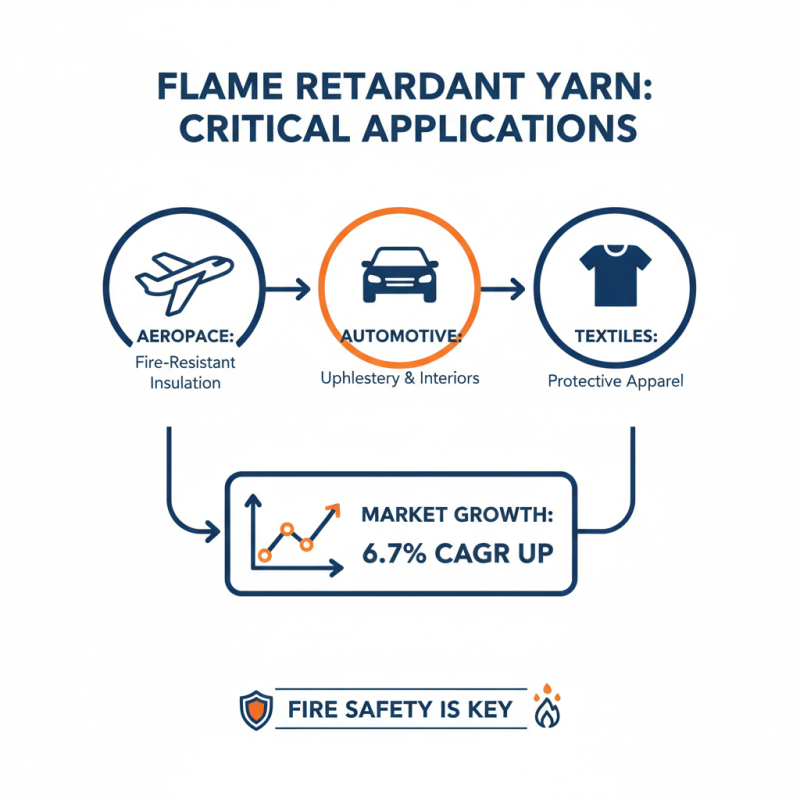
Flame retardant yarns play a critical role in various industries. They are essential in applications where fire safety is a top priority. This includes sectors such as aerospace, automotive, and textiles. For instance, in the aerospace industry, flame retardant yarns help in manufacturing fire-resistant insulation materials. According to a recent industry report, the global flame retardant market is expected to grow by 6.7% annually, indicating increasing demand.
In the automotive sector, flame retardant fabrics are crucial for seat and interior materials. These fabrics must withstand extreme conditions while ensuring passenger safety. One popular choice is the Meta Aramid Yarn. This material is known for its high heat resistance and durability. Meta-Aramid Yarn not only meets safety standards but also enhances the performance of automotive interiors. In textiles, many manufacturers are now opting for Black Flame Retardant Aramid Fiber Yarn 30s/2 due to its lightweight and robust nature.
Tips: When selecting flame retardant yarn, consider the specific application and required safety ratings. Testing and certifications are vital for ensuring material reliability. By understanding the unique needs of your project, you can choose the most effective yarn. Regular reviews of fire safety standards are also essential to stay compliant.
Caring for flame retardant fabrics is crucial for maintaining their protective qualities. Regular inspections should be a routine part of your care regimen. Look for wear, fraying, or discoloration. Studies show that up to 30% of flame retardant effectiveness can diminish with improper maintenance. Proper storage is equally important; keep fabrics in a cool, dry place away from direct sunlight to avoid degradation.
When washing flame retardant materials, use a gentle detergent without bleach. Hot water can compromise the fabric's integrity. Experts recommend washing at lower temperatures to ensure the flame retardant properties remain intact. According to industry reports, up to 90% of flame retardant effectiveness can be preserved through proper washing techniques. Understanding the right care methods ensures that your Factory Direct Cut Resistant Yarn PARA Aramid Kevlar Yarn remains reliable in high-risk environments.
It’s worth noting that flame retardant fabrics can lose effectiveness over time, even with careful maintenance. Patches or areas of extensive wear may not provide the necessary protection. Regularly reviewing the condition of your gear is essential for safety. With the right maintenance, flame retardant yarn threads for gloves can offer reliable protection for years.
: Common types include aramid, modacrylic, and treated cotton. Each has unique properties for fire safety.
Aramid fibers are known for their exceptional heat resistance. They are used in protective clothing for firefighters and workers.
Modacrylic fibers provide good flame resistance while ensuring comfort. They are often blended with natural fibers for softness.
Treated cotton combines comfort with fire safety. However, its effectiveness may decrease after washing, requiring careful maintenance.
Aramid yarns are durable but heavier. Modacrylics are lighter but may offer less heat resistance.
They are critical in aerospace, automotive, and textiles where fire safety is a priority.
They are used for manufacturing fire-resistant insulation materials, enhancing safety in aircraft.
They ensure passenger safety in seats and interiors, withstanding extreme conditions.
Consider specific applications, required safety ratings, and material reliability through testing.
Staying compliant with updated standards ensures materials remain effective and reliable.
Flame Retardant Yarn is essential for enhancing safety in various textile applications by minimizing the risk of fire-related hazards. This type of yarn is available in several forms, each offering unique properties. When selecting the best flame retardant yarn, it is crucial to consider key factors such as its specific performance standards, durability, and maintenance requirements. Understanding these properties can help users to choose the right yarn that meets their specific needs.
Moreover, the cost of flame retardant yarn can vary based on material composition and intended application. This highlights the importance of evaluating its applications, from protective clothing to upholstery, ensuring it is fit for purpose. Proper maintenance and care of fabrics made from flame retardant yarn are also vital for maintaining their protective qualities over time. By comprehensively understanding these aspects, users can make informed decisions when selecting flame retardant yarn for their projects.