Hey there! You know, with how fast the world of technical Textiles is changing, picking the right materials for your projects is super important—especially when we're talking about specialized uses. Take Copper Nickel Shielding Fabric, for example. This fabric seriously shines when it comes to electrical conductivity and shielding. As we get closer to 2025, it’s really crucial to keep up with the latest industry trends. That way, you can make the most of the unique benefits this innovative textile offers. Here at SHIJIAZHUANG 3L TECHNOLOGY CO., LTD., we've been leading the charge in professional technical textiles manufacturing since 2009. We've turned high-performance materials into game-changing solutions for tons of industries all around the globe. In this ultimate guide, I’ll help you figure out how to choose the right Copper Nickel Shielding Fabric, so your projects will not only meet today’s needs but also set you up for success in the future!

Understanding Copper Nickel Shielding Fabric: Properties and Benefits
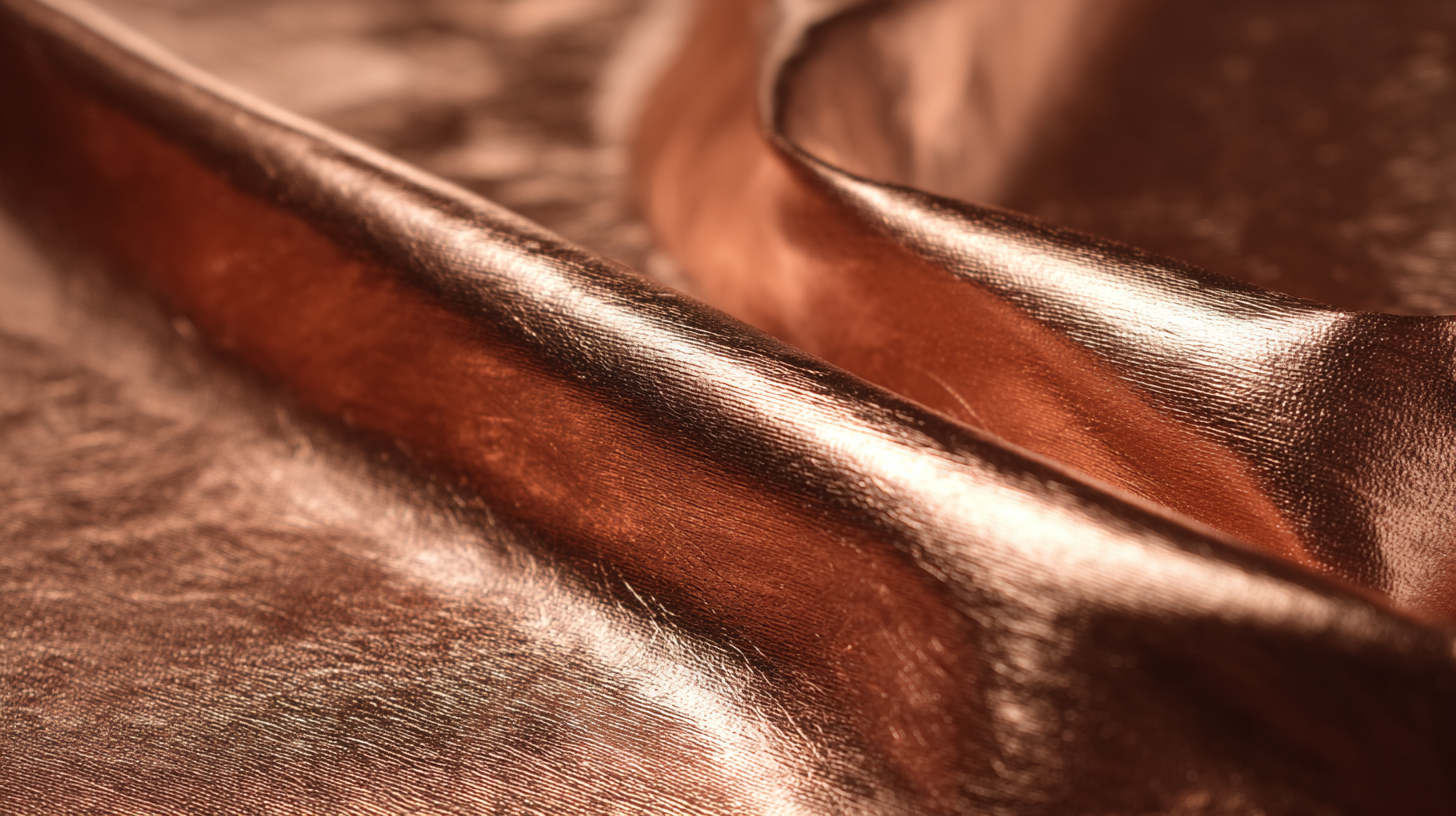
You know, copper nickel shielding fabric has really become a game changer in a bunch of industrial fields. It’s got these awesome properties that just make it stand out. Basically, it combines the great conductivity of copper with nickel’s resistance to corrosion. That’s why so many folks are leaning toward it for electromagnetic interference (EMI) shielding. In fact, a report from MarketsandMarkets claims that the global EMI Shielding market is expected to hit around8.4 billion dollars by 2025! Pretty wild, right? This just shows how much we're itching for effective materials like copper nickel fabrics.
One of the coolest things about this fabric? It’s super flexible and lightweight, so you can easily work it into different designs without it being a hassle. This feature is a huge win for industries like aerospace and automotive where keeping weight down is really key for performance. Plus, research indicates that these copper nickel fabrics can deliver shielding effectiveness over 70 dB. That’s some serious power when it comes to blocking out those pesky electromagnetic waves. As companies keep looking for dependable ways to meet those tough regulatory standards, we can expect to see more of these copper nickel materials in the mix. It's pretty clear they're becoming essential in today’s engineering landscape.
Key Factors to Consider When Choosing Copper Nickel Shielding Fabric Suppliers
So, when you're on the hunt for copper nickel shielding fabric for your projects, there are a few things you really should think about. First off, it’s super important to check out how experienced your supplier is and what their reputation looks like in the industry. A report from Research and Markets says that the global market for conductive textiles is expected to hit a whopping $3.4 billion by 2025! That just goes to show how crucial it is to get your materials from suppliers who have been around for a while and can promise quality and meet industry standards.
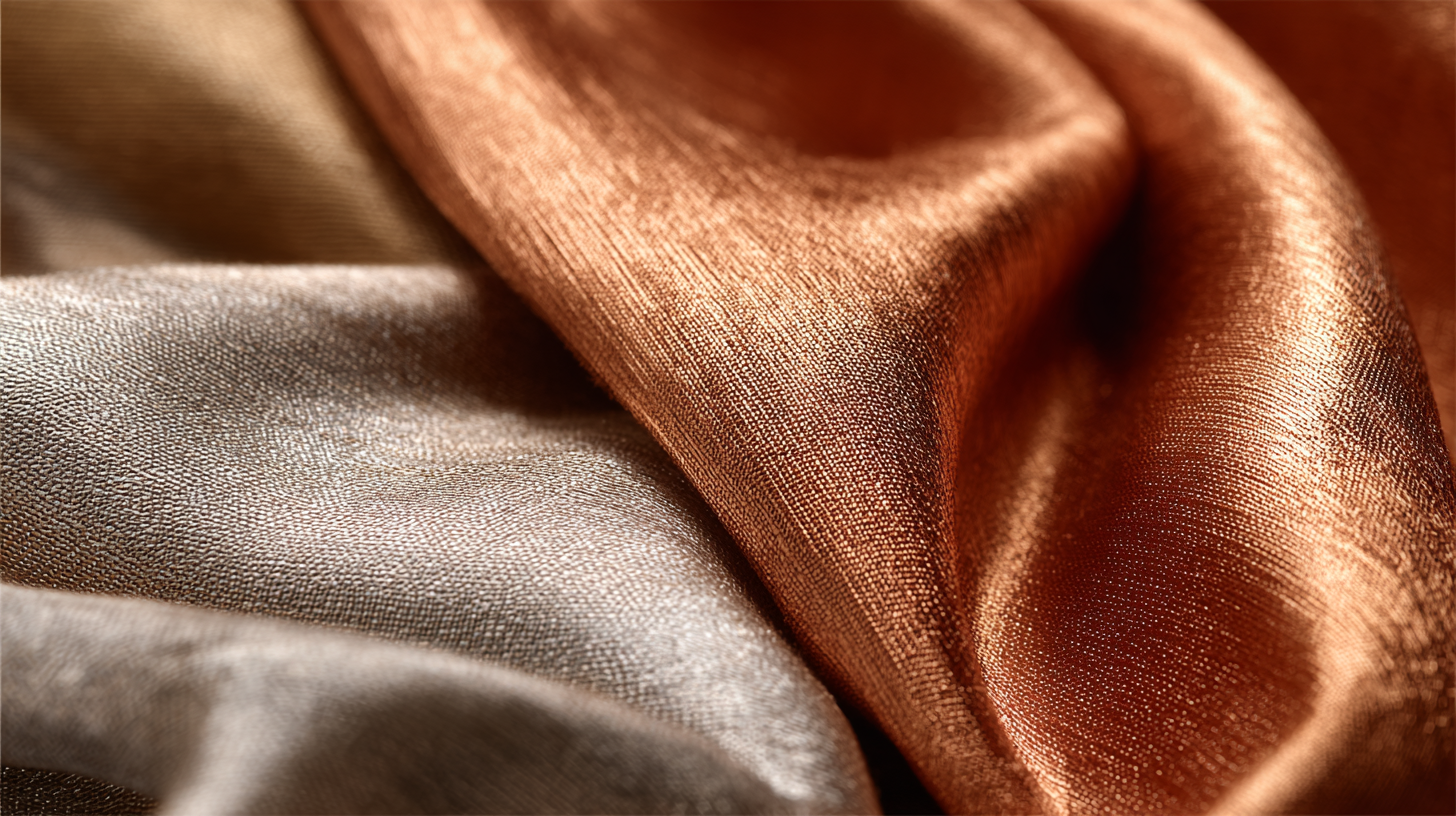
Next up, you’ll definitely want to dive into the technical specs of the fabric itself. This includes stuff like the copper to nickel ratio, the weight of the fabric, and how effective it is at shielding. According to some studies by the Institute of Electrical and Electronics Engineers (IEEE), a typical copper nickel blend is pretty fantastic when it comes to blocking electromagnetic interference (EMI), which is great for telecom and defense applications. Look for suppliers that can hook you up with detailed technical data sheets and certifications to make sure the fabric fits your project’s needs perfectly.
And don’t forget about the supplier's production capabilities and how quickly they can deliver. A recent report from TechNavio mentioned that manufacturers who specialize in rapid prototyping and just-in-time delivery are really gaining ground, especially with stricter deadlines popping up and more demand for customized solutions. Making sure your supplier can keep up with these logistical demands is really key to keeping your project on track.
Evaluating Supplier Credentials: Industry Certifications and Standards
When it comes to picking out copper nickel shielding fabric for different projects, you really want to take a close look at your suppliers' credentials. I mean, those industry certifications are super important because they basically show that the materials have been put through some serious quality and safety checks. For example, if a supplier has certifications like ISO 9001 or AEC-Q100, or even some sort of environmental certification, it just goes to show they’re serious about maintaining high production standards. That way, you can reduce the risks of material failure and make sure your project stays reliable.
Lately, it’s been clear that companies should also keep sustainability and safety at the forefront of their supply chains. Some numbers even suggest that businesses that stick to strict health and safety protocols see around a 30% drop in workplace accidents, which is pretty impressive, right? Plus, suppliers who have high security ratings tend to build more trust within the industry, which can open up even more business opportunities down the line. So, as the need for quality materials increases, it’s super important for project managers to not only focus on sourcing but also ensure their suppliers have the right certifications in place. In doing so, they can protect their projects and help foster a sustainable supply chain.
Cost-Benefit Analysis: Balancing Quality and Price in Your Purchases
So, when you're trying to pick the perfect copper nickel shielding fabric for your projects, it's super important to really think through a cost-benefit analysis. I mean, you want to get the best bang for your buck, right? A recent study showed that if companies do a solid cost-benefit analysis (or CBA as the cool kids call it), they can weigh up what they’ll spend against what they’ll gain. This way, they can figure out if investing in stuff like shielding fabric is really worth it. Plus, this approach not only helps spot the most economical options but also emphasizes the need for quality—especially when it comes to crucial applications where performance really matters.
On top of that, we’re seeing a trend where businesses are increasingly looking into category-specific sourcing strategies to shake up their supply chains. This essentially means they’re digging deeper into their sourcing options, hunting for alternatives to the usual suppliers that can give them better prices without skimping on quality. In today’s fast-changing market, efficient supply chain management is more important than ever, and companies need to stay on their toes. That’s why grasping the real value and cost impact of materials is super key for making smart purchasing choices that help businesses grow and keep projects running smoothly.
Top Strategies for Ensuring Optimal Performance of Your Shielding Fabric
Alright, so when you're picking out copper nickel shielding fabric for your projects, you really want to think about a few key things to get the best performance. First off, it’s super important to understand the fabric’s electrical conductivity because that’s what makes it really effective at blocking EMI and RFI. A report from the IEEE says that copper nickel blends can hit conductivity levels over 60% IACS! That’s pretty impressive, right? It means they’re a solid choice for high-stakes industries like aerospace and telecom. With that kind of conductivity, you can be sure that the shielding fabric is doing a great job at minimizing interference, which is so crucial for keeping electronics reliable.
And let’s not forget about durability—that’s another biggie. A study I came across in the Journal of Electronic Materials shows that copper nickel fabric holds up pretty well in tough conditions, like high humidity and corrosive environments. The study actually claims that these fabrics can still retain more than 90% of their shielding effectiveness even after being put through some serious stress. So, when you're on the hunt for shielding fabric, it's essential to look for materials that not only meet those conductivity needs but also stand strong in challenging environments. Trust me, it’ll pay off in the long run!
Future Trends in Copper Nickel Shielding: Innovations and Sustainability Practices
You know, as more and more industries really start to prioritize sustainability, we can expect some pretty big changes in the world of copper nickel shielding fabrics. I came across some recent insights from Global Industry Analysts, and they’re saying that the market for conductive textiles could hit around $2.6 billion by 2027! It’s all about innovations that boost performance while being kinder to the environment. Manufacturers are getting creative with eco-friendly production methods, like using recycled copper. This not only cuts down on the carbon footprint but also answers that growing call for sustainable materials.
So, when you’re in the market for copper nickel shielding fabric, it’s worth paying attention to how conductive and durable the fabric is. You should definitely look for options that have been treated with safe, environmentally-conscious processes. This way, you can make sure you’re not just getting effective EMI shielding but also supporting sustainability. Plus, splurging a little on higher-quality fabrics can be a smart move—they tend to last longer, which helps minimize waste in the long run.
Oh, and here’s something cool: there’s a trend that’s really picking up steam, and that’s smart technology being woven into shielding fabrics. A report by MarketsandMarkets suggests that these smart textiles might grow at a staggering CAGR of 25% from 2022 to 2027. This opens up a fantastic opportunity for those working on projects to weave in advanced features—think temperature regulation or real-time monitoring—into their designs. This not only enhances the functionality of copper nickel fabrics but also contributes to energy efficiency, which is a win-win!
Exploring the Benefits and Applications of Porosity Nickel Fiber Sintered Felt in Advanced Filtration Systems
The applications of Nickel Fiber Sintered Felt in advanced filtration systems underscore its transformative potential in modern manufacturing and environmental solutions. This innovative material, composed of finely spun nickel fibers, offers exceptional performance characteristics such as high temperature resistance and corrosion resistance, making it an ideal choice for industries requiring reliable filtration under extreme conditions. Recent market reports project that the demand for advanced filtration systems will grow significantly, with an expected CAGR of 7.5% between 2023 and 2028, driven by stringent environmental regulations and a focus on industrial safety.
Nickel Fiber Sintered Felt's unique mechanical properties further enhance its application in filtration systems. Its porous structure facilitates efficient airflow and fluid movement while providing the necessary filtration precision. According to a study published by the Industrial Filtration Research Group, materials like Nickel Fiber Sintered Felt can achieve filtration efficiencies exceeding 99%, significantly improving the performance of air and liquid filtration systems. This level of efficiency is crucial in industries such as chemical processing, pharmaceuticals, and aerospace, where product purity is paramount.
Additionally, the versatility of Nickel Fiber Sintered Felt extends beyond filtration. Its use in insulating materials, gaskets, and insulation panels illustrates its multifunctional capabilities. As industries increasingly prioritize energy efficiency and sustainability, the adoption of such advanced materials is set to play a crucial role. Reports indicate that integrating high-performance filtration materials could reduce operational costs by up to 15% due to enhanced energy efficiency and reduced downtime in industrial applications.
FAQS
: The primary consideration should be the supplier's experience and reputation in the industry, as established manufacturers can guarantee quality and compliance with industry standards.
The technical specifications, including the copper to nickel ratio, fabric weight, and shielding effectiveness, are crucial as they determine the fabric's performance, particularly in applications requiring electromagnetic interference (EMI) shielding.
Key certifications include ISO 9001, AEC-Q100, and various environmental certifications, as they demonstrate a commitment to high quality and safety standards in production processes.
Sustainability is increasingly important; suppliers that adhere to health and safety standards can reduce workplace incidents and contribute to a more sustainable supply chain, making them more attractive to project managers.
Suppliers should have capabilities in rapid prototyping and just-in-time delivery systems to meet the demands of stringent deadlines and customized solutions.
Detailed technical data sheets and certifications are crucial for ensuring that the fabric meets the specific requirements of a project, helping to mitigate risks associated with material failure.
Suppliers with a high security rating certification are often more trusted within the industry, which can lead to increased business opportunities and enhance project reliability.
Project managers can ensure reliability by focusing on sourcing from suppliers with the necessary industry certifications and a proven track record of quality and safety.